Top Money Mistakes Most People Make
Avoid the 7 biggest financial pitfalls: paying yourself last, bad debt, and lacking an emergency fund. Start tracking expenses, saving consistently, and investing early to secure long-term growth.

Excel in Digital Marketing and passionate about Finance
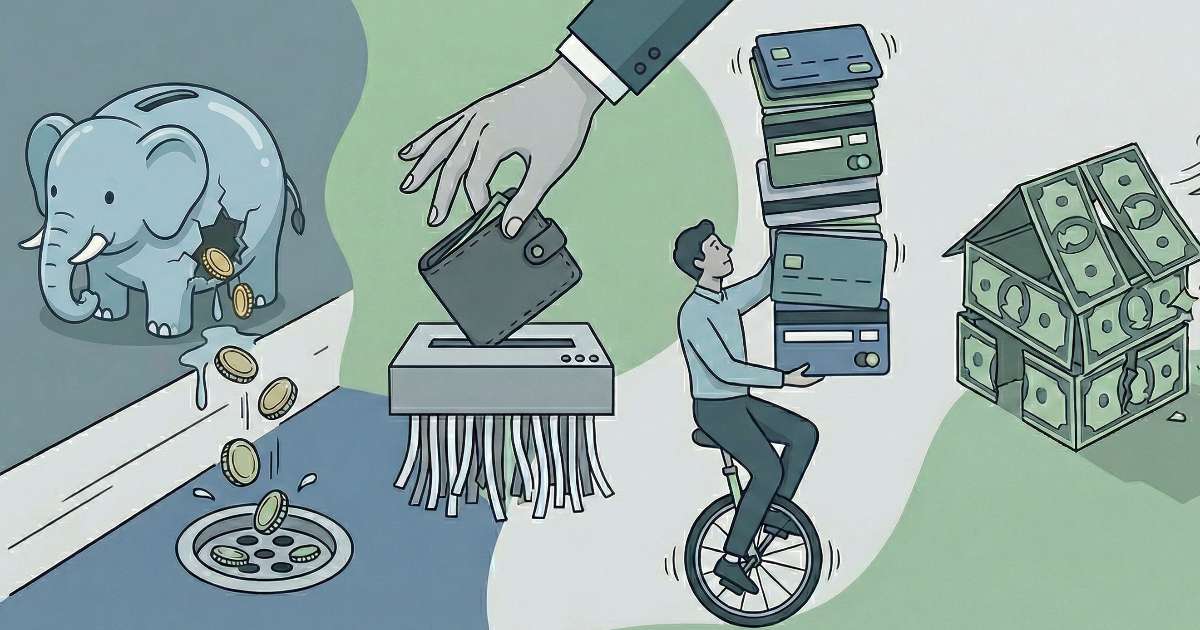
Why Money Mistakes Hurt Your Progress
People often struggle financially not because they don’t earn enough, but because they repeat the same money mistakes. Understanding these mistakes early can help you build better habits and long-term financial stability.
Paying Yourself Last
One of the biggest financial traps is not prioritizing yourself. Most people pay bills, shopping, subscriptions, and everything else first then save whatever is left.
Why it’s a mistake:
You’ll always feel like there’s “no money to save.”
Your savings never grow consistently.
It builds a reactive instead of proactive money mindset.
Always “pay yourself first” by transferring some xx% of your income into savings or investments before spending anything else.
You Have a Bad Debt
Bad debt is debt that doesn’t generate income — for example: High-interest credit cards, Lifestyle loans, Unnecessary BNPL purchases
Why it’s a mistake:
Interest snowballs fast
It kills your cash flow
You pay more for things that lose value instantly
Focus on eliminating high interest debt first to avoid snowball effect of multiply interest.
Doesn’t have an Emergency Fund
Emergency funds protect you from surprises: job loss, repairs, medical bills, etc.
Why it matters:
Without a buffer, you’re forced to use loans or credit cards
Stress increases because every small issue becomes a financial crisis
Your long-term plans get disrupted
Try to aim to have an emergency fund at least minimum of 6 months of expenses.
Not Tracking Income and Expenses
If you don’t track your money, you can’t control it. Like, how can you measure where the leak is coming from if you don’t have something to analyze? Always track your spending.
Why it’s a mistake:
You underestimate how much you spend
Money “disappears” without explanation
You can’t improve what you never measure
Use apps like Fintera, spreadsheets, or budgeting tools to monitor where your money goes monthly. You can also Calculate how much you can spend and categorized it on Fintera.
Mindless Spending
Mind you that small impulsive purchases add up over time. It can be as small as your Netflix subscription you never watch, Gym Membership you never went to or just simply because of high frequent online shopping. Plan your spending and always track afterwards, use a simple app like Fintera so it can help you analyze better.
Not Saving Consistently
Saving “when you feel like it” doesn’t work. Just save whatever it takes, saving without intention to buy something or just save is always giving better results than spending mindlessly. Build your habit into savings so you can’t get lost in momentum and chase long-term goals.
Waiting Too Long to Invest
Time is your greatest financial advantage — delaying investing can cost you years of compounding growth. If you ask what is the best time to invest, the answer is now! You can start small but early. It can build momentum later on.
The final mistake is ignoring your financial life. Many people avoid money topics because they feel overwhelmed, ashamed, or bored. But neglect leads to long-term consequences. Fintera helps you to build this small habit and give greater rewards later. Start to track your spending and change your habit.